Featured

Why Small Balances Matter Many for Your Credit rating
Table of Contents
The Advancement of Threat Assessment in Bellevue Bankruptcy Counseling
By middle of 2026, the shift from traditional direct credit rating to complex artificial intelligence models has reached a tipping point. Banks throughout the United States now rely on deep learning algorithms to anticipate debtor habits with a precision that was impossible simply a few years ago. These systems do not merely take a look at whether a payment was missed; they analyze the context of monetary choices to figure out credit reliability. For residents in Bellevue Bankruptcy Counseling, this indicates that the standard three-digit score is progressively supplemented by an "AI confidence period" that updates in real time based on daily deal information.
The 2026 variation of credit report places a heavy emphasis on cash circulation underwriting. Instead of relying entirely on the age of accounts or credit usage ratios, lenders utilize AI to scan bank statements for patterns of stability. This shift advantages people who may have thin credit files but keep consistent recurring earnings. It likewise requires a greater level of financial discipline. Artificial intelligence models are now trained to determine "stress signals," such as an abrupt boost in small-dollar transfers or changes in grocery costs patterns, which may show upcoming financial hardship before a single expense is in fact missed out on.
Real-Time Credit Monitoring and Predictive Analysis

Credit tracking in 2026 has actually moved beyond simple informs about brand-new inquiries or balance changes. Modern services now offer predictive simulations driven by generative AI. These tools enable customers in their respective regions to ask particular questions about their financial future. For example, a user may ask how a particular automobile loan would impact their capability to get approved for a home loan eighteen months from now. The AI examines existing market trends and the user's personal data to provide a statistical likelihood of success. This level of insight assists prevent customers from taking on debt that might jeopardize their long-lasting objectives.
These monitoring platforms also act as an early caution system versus sophisticated AI-generated identity theft. In 2026, artificial identity fraud has actually ended up being more typical, where bad guys mix real and phony data to produce totally brand-new credit profiles. Advanced monitoring services use behavioral biometrics to spot if an application was most likely completed by a human or a bot. For those focused on Bankruptcy Counseling, remaining ahead of these technological shifts is a requirement for maintaining monetary security.
Consumer Rights and the Right to a Description
As AI takes over the decision-making process, the question of consumer rights becomes more complex. The Consumer Financial Protection Bureau (CFPB) has provided strict standards in 2026 concerning algorithmic transparency. Under these guidelines, lending institutions can not just declare that an AI model rejected a loan; they must supply a specific, easy to understand reason for the adverse action. This "explainability" requirement ensures that citizens of Bellevue Bankruptcy Counseling are not left in the dark when an algorithm deems them a high risk. If a maker discovering design identifies a particular pattern-- such as inconsistent utility payments-- as the reason for a lower score, the lender should reveal that detail clearly.
Customer advocacy remains a foundation of the 2026 financial world. Considering that these algorithms are constructed on historic information, there is a consistent danger of baked-in predisposition. If an AI model accidentally penalizes specific geographic locations or demographic groups, it violates federal reasonable lending laws. Lots of individuals now work with DOJ-approved nonprofit credit therapy companies to investigate their own reports and comprehend how these machine-driven decisions impact their borrowing power. These agencies offer a human check on a system that is ending up being progressively automated.
Integrating Alternative Data into the 2026 Score
The addition of alternative data is perhaps the most significant modification in the 2026 credit environment. Lease payments, subscription services, and even professional licensing information are now basic elements of a credit profile in the surrounding area. This modification has opened doors for countless individuals who were formerly "unscoreable." AI handles the heavy lifting of confirming this information through secure open-banking APIs, guaranteeing that a history of on-time lease payments brings as much weight as a conventional home loan payment might have in previous years.
While this expansion of information offers more chances, it also suggests that more of a consumer's life is under the microscopic lense. In 2026, a single unsettled gym subscription or a forgotten streaming subscription might potentially dent a credit history if the information is reported to an alternative credit bureau. This makes the function of thorough credit education much more crucial. Understanding the types of data being gathered is the first step in managing a contemporary monetary identity. Bellevue Bankruptcy Counseling Services assists individuals browse these intricacies by providing structured strategies to attend to financial obligation while concurrently improving the data points that AI models worth most.
Financial obligation Management in an Algorithmic World
For those fighting with high-interest debt in 2026, the interaction between AI scoring and financial obligation management programs (DMPs) has shifted. Historically, entering a DMP may have triggered a momentary dip in a credit history. Today, AI designs are better at recognizing the distinction between a customer who is defaulting and one who is proactively looking for a structured payment strategy. Numerous 2026 algorithms view participation in a not-for-profit debt management program as a positive indicator of future stability instead of a sign of failure.
Not-for-profit firms that supply these programs negotiate directly with financial institutions to lower interest rates and consolidate payments into a single monthly responsibility. This procedure is now typically managed through automated portals that sync with the customer's AI-driven credit screen. As payments are made, the favorable information is fed back into the scoring designs, often leading to a much faster score recovery than was possible under older, manual systems. Individuals who actively search for Bankruptcy Counseling in Bellevue typically discover that a structured technique is the most reliable method to satisfy both the lenders and the algorithms that identify their financial future.
Keeping Financial Privacy and Security
With so much information streaming into AI models, privacy is a leading concern in 2026. Consumers in Bellevue Bankruptcy Counseling have the right to choose out of particular kinds of information sharing, although doing so can sometimes lead to a less precise (and for that reason lower) credit report. Stabilizing the desire for a high rating with the requirement for information personal privacy is a personal decision that needs a clear understanding of how credit bureaus utilize information. Modern credit reports now include a "information map" that shows precisely which third-party sources contributed to the existing rating.
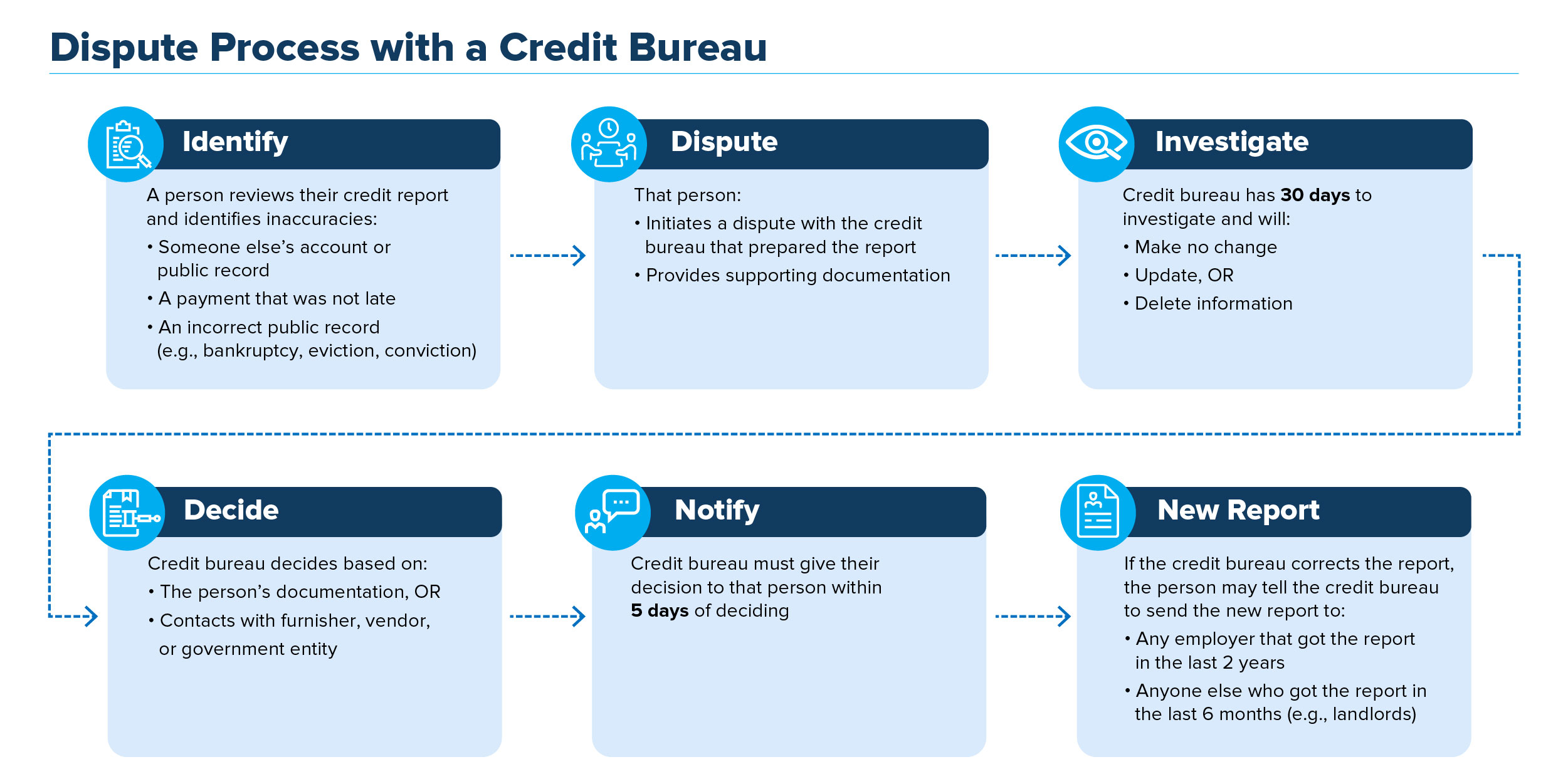
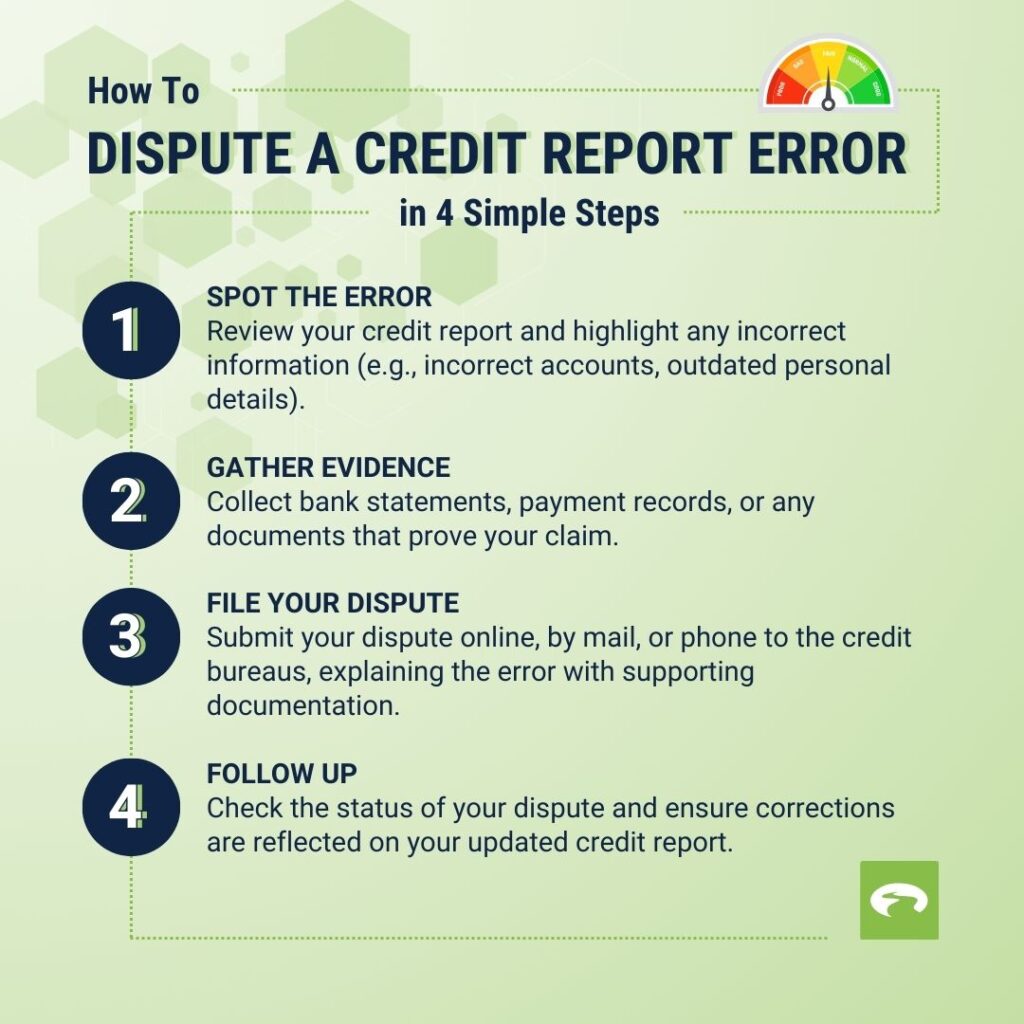
Security measures have also advanced. Two-factor authentication is no longer enough; many monetary organizations now use AI to validate identity through voice patterns or typing rhythms. While this adds a layer of defense, it also implies customers should be more vigilant than ever. Regularly examining credit reports for errors is still a fundamental duty. If an AI design is fed inaccurate information, it will produce an incorrect score, and fixing those mistakes in an automated system can in some cases require the support of a professional counselor who comprehends the conflict procedure in 2026.
The shift toward AI in credit report is not simply a technical change; it represents a new way of thinking about trust and threat. By concentrating on behavioral consistency instead of just historical debt, the 2026 financial system provides a more nuanced view of the individual. For those who stay informed and use the tools offered to them, this brand-new age offers more pathways to financial stability than ever previously.

Latest Posts
Why Small Balances Matter Many for Your Credit rating

Navigating the Psychological Toll of Consistent Debt Collection

What Your Local Lawyer Won't Tell You About 2026